
The sun continues to shine brightly on the world of renewable energy, with solar power emerging as one of the most cost-effective and sustainable solutions available today. While the cost-effectiveness of solar energy has become undeniable, a challenging hurdle remains the sluggish pace of project approvals.
A Costly Past, a Thriving Present
As we rewind the clock to 2010, solar photovoltaics (PV) were, quite frankly, a costly investment. At that time, solar PV was a staggering eight times more expensive than the cheapest fossil fuel alternative, clocking in at a hefty US44.5c/kWh. It seemed like a lofty dream to envision solar energy becoming a viable and affordable option for the masses.
Fast forward to today, and we find ourselves in a dramatically transformed energy landscape. Solar PV costs have plummeted by an astounding 95%, defying the odds stacked against it. Despite the challenges of increasing manufacturing expenses, supply shortages, labour constraints, and the often sluggish approval processes for renewable projects, the solar industry has persevered and thrived.

The Dawn of a New Era
Intriguingly, the International Renewable Energy Agency (IRENA) recently reported that the levelised cost of energy (LCOE) for solar PV has reached a global average of just US4.9c/kWh in 2022, making solar energy 29% cheaper than the least expensive fossil fuel alternative available at the time.
The implications of this cost reduction are profound. Beyond the economic advantages, IRENA underscores that renewables, including solar power, serve as a shield for consumers against volatile fossil fuel price shocks. Moreover, they play a crucial role in averting supply shortages and enhancing overall energy security. This revelation sparks an ironic twist when we consider the simultaneous necessity to extend coal plants like Eraring. It begs us to think: the real issue is not whether renewables offer cost savings and environmental benefits, but whether we have enough renewable infrastructure to power our nation.
A Vision for the Future
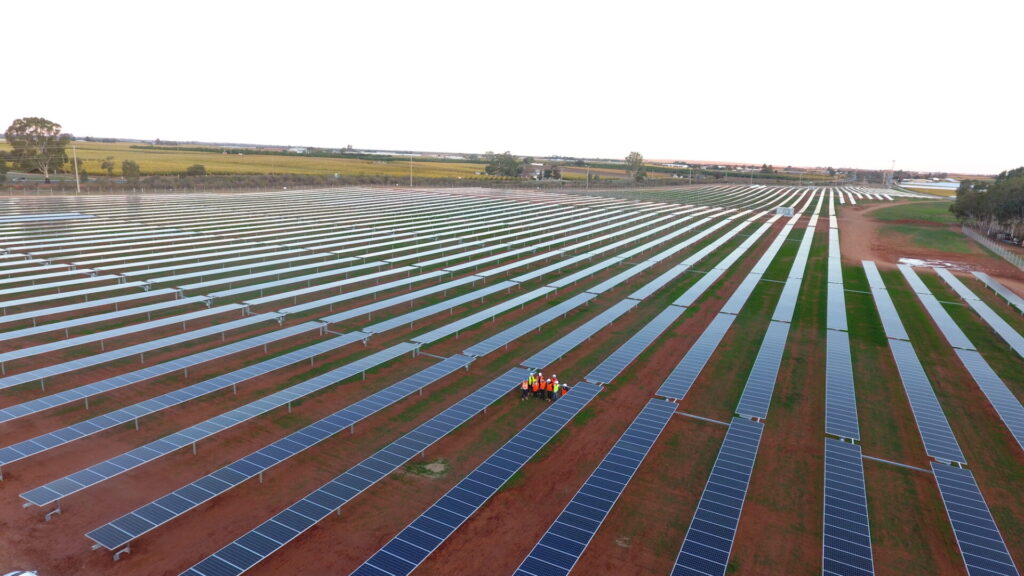
Tim Nelson, Managing Director of Iberdrola Australia, has recently proposed a path forward, advocating to extend the Renewable Energy Target to align with Australia's climate and renewable targets. To achieve these ambitious targets, we would need to install 22,000 500-watt solar panels every day for eight years, alongside 40 7MW turbines every month—all supported by at least 10,000km of additional transmission lines.
The Call for Action
The Clean Energy Council has also presented us with a sobering statistic, that only 0.4GW of new renewables investment was secured in the first half of 2023. This is a far cry from the 5GW needed to reach the Australian Government's ambitious 82% renewables target by 2030.
As we can see, it's not all sunshine and solar panels. And it’s certainly not enough to simply reflect on the need to reframe and rethink our energy targets in Australia. It's imperative that these targets evolve from mere political ideologies into realised objectives. As the sun continues to shine on the future of renewable energy, it's time for us to take decisive action and ensure that our energy targets are not just aspirational but fully attainable.