
Introduction
This past weekend marked a significant milestone in Australia's renewable energy journey. Solar energy, specifically from rooftop installations, achieved an astonishing feat by supplying 51% of the total electricity demand on the National Electricity Market (NEM). This remarkable achievement deserves recognition, but it also raises critical questions about our ability to sustain this momentum in the face of looming challenges.
Solar Shines Bright
On Sunday [1 October 2023], solar energy stole the spotlight, showcasing its immense potential in Australia's energy landscape. At midday, when demand peaked, solar rooftop installations contributed more than half of the electricity required across the NEM. Queensland and South Australia even saw moments when rooftop solar met almost 100% of electricity demand, underlining the incredible power of harnessing the sun's energy.

The Decline of Coal
The achievement becomes even more noteworthy when we consider the decline of coal-generated power during the same period. Coal capacity sank to less than 7440 MW, chipping away at the previous record set just months ago. This is an encouraging sign, reflecting the ongoing transition away from coal, a fossil fuel that has long dominated Australia's energy mix.
Challenges on the Horizon
However, amidst the celebrations, it is crucial to acknowledge the challenges that lie ahead. Renewable energy experts, such as Dylan McConnell at the University of New South Wales, have raised concerns about a slowdown in new renewable energy project approvals and financing in the first half of 2023. In the first six months of the year, only 500 MW of new capacity reached the final investment decision.
This figure falls far short of the targets set to meet Australia's renewable energy goals. To achieve the 82% renewable energy target by 2030, approximately 44 GW of renewables are needed, with 28 GW coming from large-scale projects. This translates to around 110 individual projects of 250 MW each. The fact that only four projects, totalling 305 MW, received connection approvals in the first two months of the year is cause for concern.
The Call for Continued Support
As we celebrate this record-setting achievement, it is crucial to remember that this success should not lead to complacency. Australia's transition to renewable energy is far from complete, and the journey ahead requires unwavering commitment and investment. Key renewable energy associations, such as the Clean Energy Council, have sounded the alarm about the urgent need for more projects to secure our energy future.
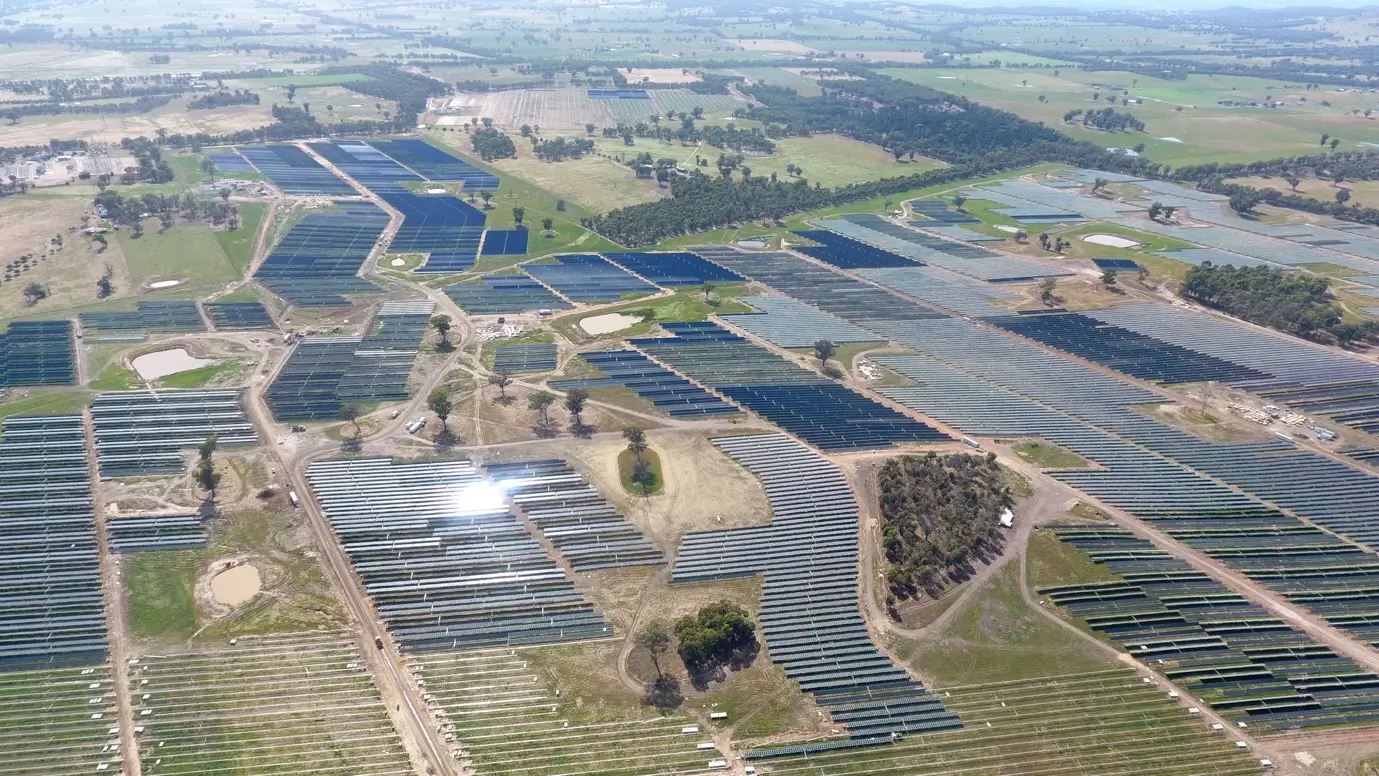
Investment in renewable projects is not just about meeting targets; it's about securing a sustainable and environmentally responsible energy future for our nation. It's about reducing carbon emissions, creating jobs, and ensuring energy security for generations to come.