
As 2023 draws to a close, the solar energy sector in Australia stands as a beacon of resilience and innovation. Despite the industry facing transmission difficulties and project approval delays, the solar and broader renewables industry has achieved record-breaking success with Australia emerging as a global leader in per-capita solar energy production, solidifying its position as a renewable energy powerhouse.
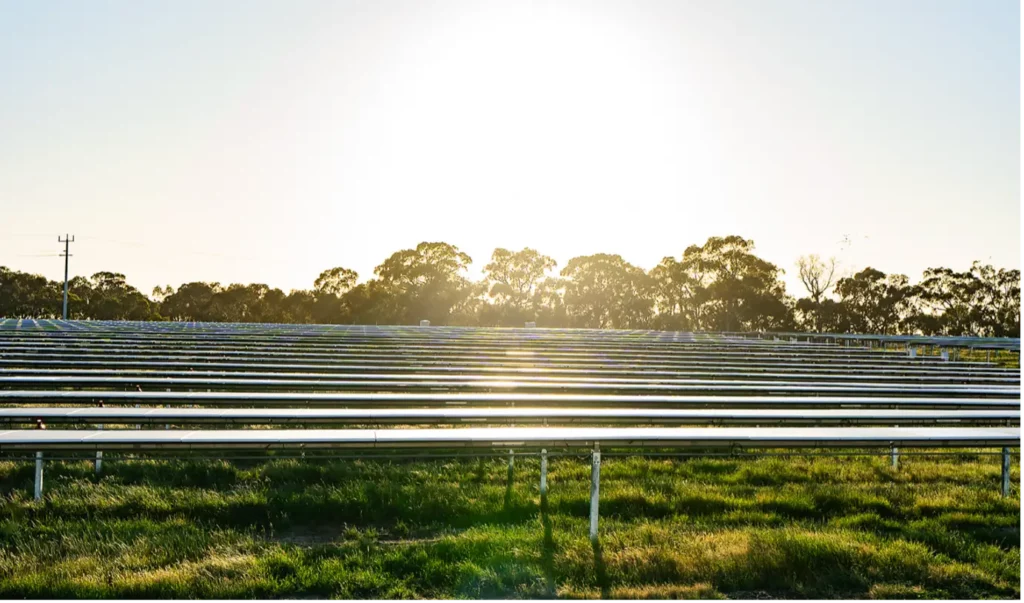
Australia's Solar Achievements
Australia has solidified its place as the largest per-capita producer of solar energy globally, ranking seventh in renewable energy patents per head, according to Austrade. Additionally, the 2022-2023 financial year witnessed a record-breaking 36.8% share of renewable energy in the National Electricity Market (NEM).
Key statistics highlight the remarkable growth of the solar sector. According to the Australian PV Institute, as of September 30, 2023, there are over 3.6 million PV installations with a combined capacity of 32.9 gigawatts in Australia.
Last year alone, Australia's solar energy capacity surged by more than 50%, with experts projecting that solar could contribute to nearly 22% of the country's total energy production by the end of 2023, as reported by E-Green Electrical.
Australia's commitment to solar power is further underscored by its status as the world leader in rooftop solar penetration, with almost a third of households equipped with solar panels, as per CSIRO. Additionally, nearly half of the 6GW renewables development pipeline in early 2023 consisted of solar projects, demonstrating the sector's robust growth and potential.
Government Support and Initiatives
The Federal Government has played a pivotal role in propelling the solar industry forward, introducing schemes and policies that support green project development which have helped not only developers but Australian businesses and consumers.
The $20 billion Rewiring the Nation Scheme is one of the many productive programs facilitating updates to the transmission network, enabling Renewable Energy Zones (REZs) to seamlessly integrate into the electricity grid.
The Australian Renewable Energy Agency (ARENA) has been a key player in funding clean energy research and development, administering various grant programs. Over the past decade, ARENA has allocated more than A$230 million to approximately 130 solar R&D projects. In January 2023 alone, ARENA committed $41.5 million to fund 13 new projects.

Looking Ahead to 2024
As we anticipate the coming year, 2024 promises to be a defining period for the solar industry, marked by several trends and developments. The integration of energy storage solutions will enhance the reliability of solar power, enabling effective energy use even during periods of low sunlight.
The rise of smart grids and digital technologies will pave the way for more efficient energy management systems, optimizing the performance of solar installations. Furthermore, advancements in solar technology, including higher efficiency solar cells and innovative designs, will make solar power more cost-effective and adaptable to various environments.
2023 and Beyond
Reflecting on the accomplishments of the solar sector in 2023, it's clear that Australia has wholeheartedly embraced the transition to renewable energy. Supported by government initiatives, technological advancements, and a shared commitment to sustainability among investors, developers, and consumers, the solar industry is positioned for ongoing success in 2024 and beyond.