
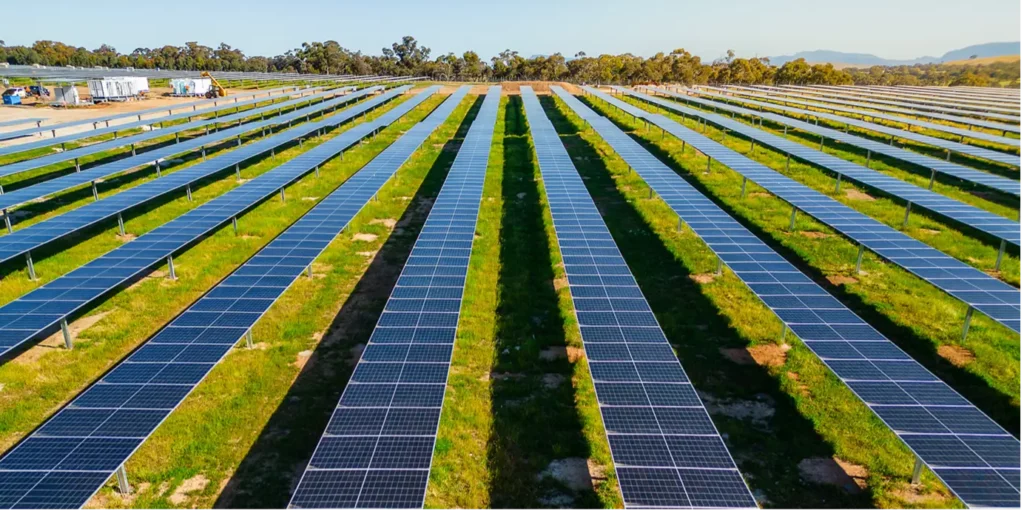
In the pursuit of a greener tomorrow and with the rapid expansion of renewable energy sources, particularly solar power, the nation faces a mounting challenge: how to sustainably manage the increasing volume of discarded solar panels.
As reported by Sustainability Victoria, over 100,000 tonnes of solar panels are projected to enter Australia’s waste stream by 2035, highlighting the urgent need for innovative solutions in the recycling and repurposing of green technology.
The average lifespan of a solar panel is approximately 21 years. However, with recycling options currently limited, the industry must rethink and innovate how aging solar panels and other green technologies can be integrated into a circular lifecycle. This necessitates a shift towards holistic approaches that not only optimise energy generation but also address the end-of-life management of renewable energy infrastructure.
Australia's commitment to decarbonisation targets for 2030 and 2050 is driving significant growth in solar input and output. According to the Clean Energy Council, Australia aims to triple its large-scale variable renewable generation to 57 GW by 2030, followed by a seven-fold increase to 126 GW by 2050. While Empower Solar Australia forecasts ambitious milestones of 50% renewable electricity by 2024 and 100% by 2032, achieving these goals requires efficient green technologies that encompass sustainable practices throughout their lifecycle.
One promising avenue for addressing the challenge of solar panel disposal is highlighted in a paper by Deng from the University of New South Wales. The paper explores the potential for recycling solar photovoltaic waste and projections for resource utilisation from 2022 to 2050, forecasting that recycled solar panels could supply 50% of the industry's silver and aluminium needs within 15 years, and meet all requirements within 25 years.
However, achieving a sustainable future powered by renewable energy goes beyond technological advancements. It also requires a concerted effort to educate the public on the longevity and benefits of solar energy. As Deng notes, while Australians recognise the potential for solar energy to reduce energy bills, there is a need for greater awareness regarding the extended lifespan and continued electricity generation capabilities of solar panels beyond the payback period.
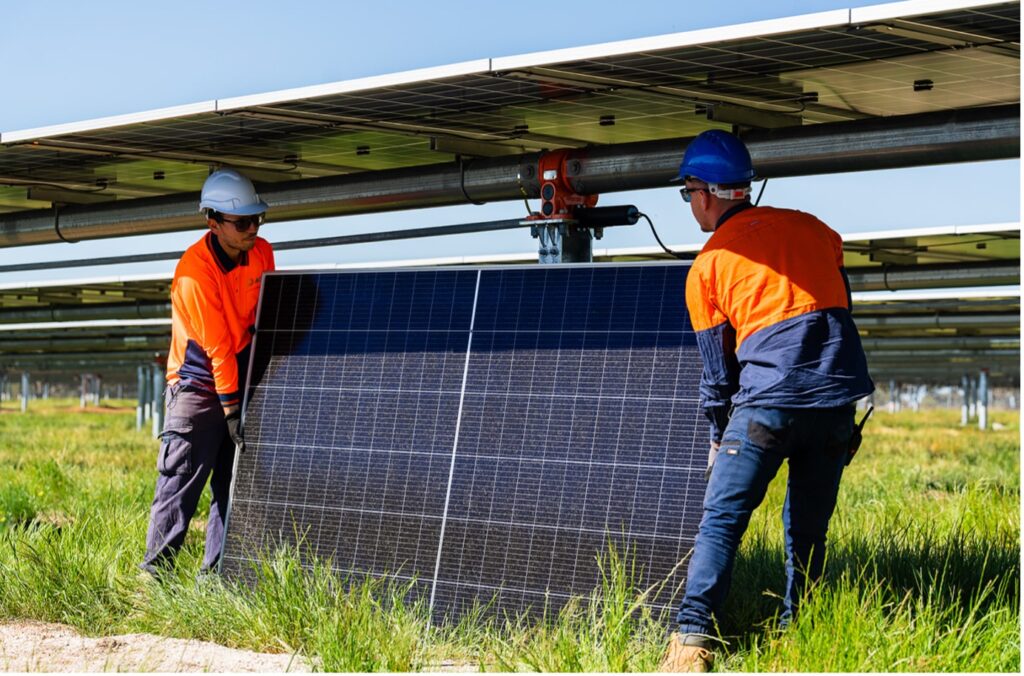
For developers, understanding the importance of sustainable management of discarded solar panels and green technology is crucial as it directly impacts the design, construction, and long-term viability of renewable energy projects. With the projected increase in the volume of solar panel waste entering Australia’s waste stream, developers must innovate and integrate sustainable practices into their projects to ensure efficient end-of-life management. This includes designing systems that facilitate ease of disassembly and recycling, as well as exploring opportunities for repurposing materials within the circular lifecycle.
To effectively address the challenge of solar panel disposal, Australia must develop comprehensive recycling programs and explore innovative methods for reusing materials from retired panels. This not only mitigates environmental impact but also ensures the longevity of the country's commitment to clean energy. Moreover, it presents an opportunity to provide industries reliant on silver and aluminium with renewed and repurposed materials derived from solar panels, further contributing to a circular economy.
The challenge of solar panel disposal is also compounded by poor quality manufacturing practices. Panels produced with substandard materials or techniques not only have shorter lifespans but also pose greater difficulties in recycling which can both contribute to environmental degradation and increase the burden on recycling systems.
While solar panels typically have a longer lifespan compared to most everyday technology, both government and industry must prioritise the recycling of green technology as much as deriving energy from it to foster a truly sustainable approach to renewable energy production.
Ensuring the responsible disposal and recycling of solar panels is not only a moral imperative but also a critical aspect of fostering a sustainable energy future. ACLE is currently recycling all of our broken modules and paying for the transport and processing of our end-of-life modules. These efforts are integral to our mission of promoting environmental responsibility within the renewable energy sector.
As we navigate the transition towards a sustainable future, both government and industry must prioritise the recycling of green technology. For EPCs, the importance will remain in embracing a holistic approach to renewable energy production that not only aligns with regulatory requirements and environmental responsibilities but also presents opportunities for innovation and differentiation in the competitive market landscape.